Monday, 30 November 2015

Wednesday, 15 July 2015


葉子龍:患癌風險高 減重找回健康

地方
 馬六甲

29 Jun 2015 21:39 

報導:姚美芹
  (馬六甲29日訊)肥胖是大馬人常見的問題,而且許多疾病都因肥胖引起,如果通過飲食控制、運動都無法有效,或可考慮通過減重手術,協助控制體重,換回健康。
 減重手術,最普遍為縮胃手術及胃繞道手術。在南馬區,除芙蓉外,馬六甲東方醫院是唯一可提供以腹腔鏡進行縮胃手術及胃繞道手術的醫院。
 東方醫院外科及上消化道專科葉子龍醫生接受《中國報》訪問時指出,大馬是東南亞國家肥胖問題最嚴重的國家,于2010年有44%的國民都有肥胖問題。甲州是國內肥胖問題最嚴重的州屬之一。
 “據研究顯示,肥胖者比一般人的壽命少9年,這主要是因為肥胖會引發疾病,包括中風、心臟病、肺及肝的問題,同時也增加患癌風險及憂鬱症。”
 他指出,肥胖者一般也會較自卑,同時面對求職困難或工作不便的問題。
建議進行2手術
 “一些肥胖是病態性的,患者可能試過許多種方式,包括戒口、運動及吃減肥藥都可能沒效或效果不佳,我們就建議進行縮胃手術及胃繞道手術。”
 他解釋,這2項手術是最普遍也是效果最好,而且因為採用腹腔鏡進行,雖是大手術,卻只留下數個小傷口,傷口很快復原,減少受感染的危險。
 他指出,縮胃手術是將胃切除80%,讓患者胃口變小,腸激素的減少,也讓患者減低吃的欲望。
 胃繞道手術則是把小腸切斷,剩下一小截的小腸接連到胃上部的小胃囊,吃下的食物一下子便到達小腸。由于胃容量縮小,且小腸縮短,營養吸收減少,因此更能快速達到減肥效果。

叶子龙:多数华裔男性 大马人患大肠癌增


 2015-05-10 15:56


(马六甲9日讯)马六甲东方医院外科及上消化道专科医生叶子龙说,越来越多我国国民患上大肠癌,根据2003年的影响报告,每20人当中就有1人,华裔占多数,大约有60%,而且以男性居多。
44%大马人痴肥 他指出,其中一个容易患上大肠癌的因素是痴肥。在亚洲,马来西亚痴肥者最多,约有44%的人口有痴肥症。
叶子龙是昨晚在马日丹那华校礼堂主讲“大肠癌及小肠气”时这样指出。
 
少吃红肉忌烟酒
 
叶子龙医生说,排便突然出现变化,腹泻与便秘;排便结束后依然拥有排便的感觉;直肠出血、排便时出血及大便黑色;腹痛、感觉无力、疲倦及感觉爱睡,都是患上大肠癌的征兆。
“年纪大、大肠曾生瘤或息肉、患有糖尿病及遗传性都是风险较高者。
一旦发现暴瘦,脸色苍白或贫血,极有可能患上大肠癌。”
他表示,要避免患上大肠癌,必须少吃红肉如牛肉、羊肉、肝脏,加工肉类如热狗和午餐肉等;不要抽烟喝酒及少吃烧烤食物。
他指出,先进国的政府都有为国民在50岁时检查肠胃,我国政府并没有这样做,所以市民最好是在50时做结肠镜检查,以便更早知道是否患上大肠癌,避免扩散到肝脏,届时除了需要懂手术切除,还需要化疗及电疗。
他说,痴肥者可以通过“减肥手术”,以便减少患上大肠癌,同时可避免身体继续吸取丰富的营养。
 
每年6万宗小肠气
 
谈及小肠气,叶子龙医生表示,在我国每年有6万宗,而且唯一的治疗就是动手术,避免小肠在肌肉弱的地方凸出。
“一旦凸出的小肠缺血,小肠会变黑,而且任何时候会发生,只要通过小伤口手术,即可避免小肠气一再的扩大,危及生命。”
 
东方医院联办健康讲座
 
有关健康讲座时由东方医院联合当地6个团体,即马日丹那中华公会、马日丹那华小董家协、马日丹那马华公会、马来西亚佛总马日丹那支会、马日丹那海南会馆及马日丹那双溪峇路卫理公会主办。
主讲者包括肾脏内科专科的陈立品医生,他主讲“高血压及糖尿病”,骨科与创伤外科专科林家臣医生主讲“全膝关节置换手术”。
出席的有东方医院总营运长李翠娥、公关与市场经理杨爱溦、马日丹那华小董事长拿督陈干韬、家教协会主席许光祥、马日丹那中华公会主席沈金魁、马华马日丹那支会主席许光豪、马来西亚佛总马日丹那支会代表谢妮铭、马日丹那海南会馆副主席陈文顺及马日丹那双溪峇汝卫理公会主席唐友德等。
东方医院也在会上捐献2000令吉予马日丹那华校建委会,作为冷气大礼堂的费用。


肾脏内科专科陈立品:
“吃得丰富易患糖尿病”
陈立品医生在主讲“高血压及糖尿病”时说,大马人民吃得越来越丰富,可说带来了后遗症,患上糖尿病者一年比一年多,几率还比人口最多的中国来的高。
他说,糖尿病相当恐怖,可以发生在年轻人身上,一旦没有很好的照顾,会导致肾脏损坏,而给患者本身带来危险,甚至为家庭带来灾难。
须查眼血压胆固醇 他指出,大家平时必须检查眼睛,避免视网膜阻塞;必需检查尿液,避免过高蛋白质,不然将损坏肾脏;必须检查血压,因为高血压是无声杀手及必须确保没有高胆固醇。
 
骨科与创伤外科专科林家臣:
“关节炎患者禁暴饮暴食”
林家臣医生主讲“全膝关节置换手术”时指出,关节炎是退化所造成。
关节炎的症状是关节肿胀、畸形、动作缓慢、须依靠援助才能运动,关节会疼痛,而且会出现并发症,患者减少环节活动、残疾,甚至出现肌肉萎缩。
他说,患上关节炎,患者必须改变生活方式,不可暴饮暴食,因为身体重量可影响骨关节炎的恶化。
“虽然可以用药物治疗,不过会导致过敏反应症、胃炎、肾功能衰歇、增加心脏病发的风险。”
他表示,另外的治疗是可注射透明质酸或富血小板血浆,但避免注射内固醇。
他说,到了一种阶段或其他治疗失败,而且严重影响活动时,患者可进行关节置换手术,换上金属关节,不过有一定的寿命。

Sunday, 14 June 2015

Berobat / Medical Tourism RS Oriental Melaka Straits Medical Centre, MELAKA, MALAYSIA

 Di dalam kehidupan kita yang cepat berjalan , teknologi memainkan peran penting dalam rutinitas sehari-hari – menghubungkan satu tempat ke tempat lain,memperoleh informasi mengenai suatu barang atau jasa , bahkan membeli barang dapat dilakukan secara on-line dengan hanya mengakses internet dari HP atau komputer tablet.

Kita sangat mudah mendapatkan informasi yang berharga sekarang, tetapi apakah anda juga menghargai pengalaman cara komunikasi yang tradisional yaitu pertemuan langsung antara manusia, terutama pada saat kita sedang dalam keadaan sedih atau sakit. Adanya "Human touch" selalu akan membuat kita merasa lebih tenang dan baik. Ya.... hal ini masih ada di Melaka yang dikenal sebagai salah satu kota yang berkembang di Malaysia.


Terletak di tepi pantai Selat Melaka , sebuah rumah sakit swasta yang memiliki kapasitas 300 tempat tidur yang bernama RS Oriental Melaka Straits / Oriental Melaka Straits Medical Centre (OMSMC) memberikan pelayanan kesehatan secara terpadu dan menyeluruh dengan menitik beratkan konsep Human touch. OMSMC bukan sekedar sebuah gedung RS yang berwarna putih yang didatangi orang yang ingin berobat, tetapi OMSMC adalah tempat yang dpat memberikan rasa aman, nyaman bagi pasien serta keluarganya.

Maya Angelou berkata: “ Orang tidak ingat apa yang anda katakan atau anda kerjakan, tetapi mereka akan ingat apabila anda dapat membuat orang tersebut merasakannya ke dalam hati dan pikiran mereka “

Dibawah naungan Perusahaan konglomerat multinasional ORIENTAL HOLDING BERHAD,
rumah sakit ini dibangun dengan visi menjadi rumah sakit unggulan dalam menyediakan pelayanan kesehatan yang terbaik dan berkualitas serta dapat terjangkau di Asia Tenggara.

Mungkin anda bertanya, tentang perusahaan ORIENTAL HOLDING BERHAD. Oriental holdings berhad adalah sebuah perusahaan konglomerat multinasional yang sudah 50 tahun go publik yang tidak hanya terlibat bidang kesehatan, tetapi juga dalam bidang akademi pendidikan keperawatan , otomotif , properti , plastik , perkebunan , hotel, resort dan perusahaan investasi tersebar di kawasan Asia Pasific seperti di Malaysia, Singapura, Indonesia, Thailand, Vietnam, United Kingdom, New Zealand dan Australia.


Dengan selalu berpegang teguh pada visi, serta didukung oleh tim medis dan non-medis yang selalu berkembang dalam memberikan pelayanan terbaik kepada pasien lokal maupun international, OMSMC memberikan pelayanan kesehatan pada setiap pasien dengan perhatian yang tepat dan perawatan dengan memanfaatkan fasilitas yang lengkap, terbaru dan canggih, serta multi-disciplinary team work benar-benar terintegrasi. Untuk menambah kenyaman bagi pasien dan keluarga, OMSMC menyediakan kafetaria, toko roti/ bakeri, roof-top garden, 24 jam mini market serta beberapa toko lainnya.


Dibawah ini adalah daftar Dokter dengan bidang spesialisasinya :


Layanan Pendukung Klinis:

* Radiologi (Diagnosic Imaging Centre)
MRI 1.5 tesla
CT Scan 160 slices
Fluoroscopy
2 ruangan Cath Laboratory
Mammography
Bone Mineral Density
Dental X-Ray (Panoramic 3D)
C-Arm
4D Ultrasound
X-Ray


* Kamar Operasi yang berjumlah 9 buah dengan peralatan yang komplit dan terbaru.


*Pusat Dialisa (Cuci Darah)
*Laboratorium
*Pusat Rehabilitasi


* ICU/NICU


Kamar rawat inap yang luas dan nyaman dengan tarif yang kompetitif:


Lokasi RS Oriental yang terletak di tepi pantai Klebang Melaka ini sangat mudah dijangkau baik dari transportasi darat, laut, maupun udara. RS Oriental menyediakan sarana pelayanan antar jemput bagi pasien dari dermaga laut melaka, maupun dari airport melaka. Malindo menyediakan penerbangan langsung antara Indonesia (Pekan Baru) dan Melaka 5x seminggu setiap hari Senin, Rabu, Kamis, Jumat dan Sabtu.


Tentu saja ada KABAR MENGGEMBIRAKAN bahwa saat ini RS Oriental mengadakan PROMOSI sampai tanggal 30 JUNI 2015


Paket “Wellness Centre” (Pemeriksaan Kesehatan Umum)


Untuk Informasi lebih lanjut, silahkan hubungi :

Oriental Melaka Straits Medical Centre, Pusat Perubatan Klebang, 75200, Melaka.
Tel : +606 -315 8888
Fax : +606 -315 8800

24 Hours Emergency Call Line : +606 – 315 8930, +606 – 315 8931
Email : info@orientalmedical.com.my
Web: www.orientalmedical.com.my  (www.orientalmedical.com.my)

(courtesy from http://m.kaskus.co.id/thread/556feceb529a459d548b4568/medical-tourism-rs-oriental-melaka-straits--medical-centre-malaysia/?post_id=10152771277122493_10152771277117493?post_id=10152771277122493_10152771277117493#_=_)

Wednesday, 4 February 2015

Launching of Oriental Melaka Straits Medical Centre


Last Saturday was a memorable event for all of us at Oriental Melaka Straits Medical Centre as we held our Official Launching Event with the presence of our Honourable Datuk Seri Ir. Hj. Idris bin Hj. Haron, Chief Minister of Melaka, Datuk Loh Kian Chong, Chairman of Oriental Holdings Berhad, Dato' Dr Tan Chong Siang, our CEO and Dr Tan Hui Ling, our Deputy CEO.

We would like to extend our heartfelt gratitude to all of you that attended our launching and made it a great success. It is with this event that OMSMC's operations are in full gear and we are ready to Wholeheartedly provide our patients with care and love.
Wholeheartedly, We.C.A.R.E & Love


"Batu Hempedu" a.k.a Gallstones...


Introduction 

Gallstones are small stones, usually made of cholesterol, that form in the gallbladder. In most cases they do not cause any symptoms and do not need to be treated.

However, if a gallstone becomes trapped in a duct (opening) inside the gallbladder it can trigger a sudden intense abdominal pain that usually lasts between one and five hours. This type of abdominal pain is known as biliary colic.

The medical term for symptoms and complications related to gallstones is gallstone disease or cholelithiasis.

Gallstone disease can also cause inflammation of the gallbladder (cholecystitis). This can cause persistent pain, jaundice and a high temperature (fever) of 38°C or above.

In some cases, a gallstone can move into the pancreas, causing it to become irritated and inflamed. This is known as acute pancreatitis and causes abdominal pain that gets progressively worse, and sometimes life threatening.

The gallbladder

The gallbladder is a small, pouch-like organ situated underneath the liver. The main purpose of the gallbladder is to store and concentrate bile.

Bile is a liquid produced by the liver, which helps digest fats. It is passed from the liver through a series of channels, known as bile ducts, into the gallbladder.

The bile is stored in the gallbladder and over time it becomes more concentrated, which makes it better at digesting fats. The gallbladder is able to release bile into the digestive system when it is needed.

What causes gallstones

It is thought that gallstones develop because of an imbalance in the chemical make-up of bile inside the gallbladder. In most cases the levels of cholesterol in bile become too high and the excess cholesterol forms into stones.

Gallstones are very common. It is estimated that more than one in every 10 adults has gallstones, although only a minority of people will develop symptoms.

Gallstones are particularly more common in the following groups:

women, particularly those who have had children

overweight or obese people – people who are overweight with a body mass index (BMI) of 25 or above

people aged 40 years or older (the older you are, the more likely you are to develop gallstones)

•people with cirrhosis (scarring of the liver)

•people with the digestive disorders Crohn’s disease and irritable bowel syndrome (IBS)
• patient with haemolytic blood disorders

•people with a family history of gallstones (around a third of people with gallstones have a close family member who has also had gallstones)

•people who have recently lost weight, either as a result of dieting or weight-loss surgery such as gastric banding, gastric bypass or sleeve gastrectomy.

•people who are taking a medication called ceftriaxone, which is an antibiotic used to treat a range of infections, including pneumonia, meningitis and gonorrhoea

 Women who are taking the combined oral contraceptive pill or undergoing high-dose oestrogen therapy (which is sometimes used to treat osteoporosis, breast cancer and the menopause) also have an increased risk of developing gallstones.

What Are the Symptoms of Gallstones?

Gallstones often don't cause symptoms. Those that don't are called "silent stones." A person usually learns he or she has gallstones while being examined for another illness.

When symptoms do appear, they may include:

  • Pain in the upper abdomen and upper back; the pain may last for several hours.
  • Nausea
  • Vomiting
  • Other gastrointestinal problems, including bloating, indigestion and heartburn, and gas

Continue reading below...How Are Gallstones Diagnosed?

If your doctor suspects you have gallstones, he or she will do a physical exam and may perform various other tests, including the following:

  • Blood tests: Blood tests may be given to check for signs of infection or obstruction and/or to rule out other conditions.
  • Ultrasound: This procedure produces images of various parts of the body and can be used to identify gallstones.
  • CAT scan: This test uses specialized X-rays to create cross-section images of organs and body tissues.
  • Magnetic resonance cholangiopancreatography (MRCP): This test uses a magnetic field and pulses of radio wave energy to get pictures of structures inside the body, including the liver and the gallbladder. 
  • Endoscopic ultrasound: This test combines ultrasound and endoscopy to look for gallstones.
  • Endoscopic retrograde cholangiopancreatography (ERCP): The doctor inserts an endoscope through the patient's mouth down to the small intestine and injects a dye to allow the bile ducts to be seen. The doctor can often then remove any gallstones that have moved into the duct

  Treating gallstones

Treatment is usually only necessary if gallstones are causing symptoms, such as abdominal pain, infections or acute pancreatitis.

In these cases, keyhole surgery to remove the gallbladder may be recommended. This procedure, known as a laparoscopic cholecystectomy, is relatively simple to perform and has a low risk of complications.

During this procedure, instruments, a light, and a camera are passed through several small incisions in the abdomen. The surgeon views the inside of the body by looking at a video monitor. This procedure is used in of the majority of gallbladder removals. After the surgery, the patient spends the night in the hospital, or sometimes patient can be allowed home on the same day.


You can lead a perfectly normal life without a gallbladder. The organ can be useful but it is not essential. Your liver will still produce bile to digest food, but the bile will just drip continuously into the small intestine, rather than build up in the gallbladder.


Outlook

Most cases of gallstone disease are easily treated with surgery. Very severe cases can be life-threatening, especially in people who are already in poor health, but deaths are rare.
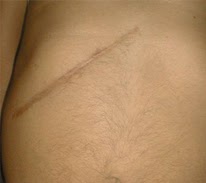

Open cholecystectomy wound
"keyhole" cholecystectomy wound


Sunday, 25 January 2015

There is no such thing as ‘healthy obesity’, says study

           
In a study that spanned 20 years, researchers find that in the long run, obese individuals will become unhealthy and at risk of diseases. - Shutterstock
     
People who are obese may appear healthy for a while but their condition declines over time, says a study that followed more than 2,500 people for 20 years.
The research by scientists at University College London is the longest of its kind, and its findings support previous research that has shown people who are overweight face a higher risk of heart attack, stroke and some kinds of cancer than thin people as the years go on.
As the years progress, researchers found that obesity will diminish health and cause serious disease risks. – AFP

For the purposes of the research, “healthy obesity” was defined as not having high blood pressure, high cholesterol, diabetes or other metabolic risk factors.
A total of 2,521 men and women between the ages of 39 and 62 were followed for the study that measured their body mass index, cholesterol, blood pressure, fasting plasma glucose and insulin resistance.
A total of 181 participants were initially classified as obese, including 66 who were considered “healthy obese.”
By the time the two decades had passed, just over half of the healthy obese people had become unhealthy obese.
Only 11% of those who were obese at the start of the study lost pounds and reached normal weight.
“A core assumption of healthy obesity has been that it is stable over time, but we can now see that healthy obese adults tend to become unhealthy obese in the long term, with about half making this transition over 20 years in our study,” says lead study author Joshua Bell.
“Healthy obesity is a high-risk state with serious implications for disease risk.”
Nearly 36% of adults in the US are obese, and nearly 25% of adults in Britain are obese, according to estimates from government health authorities.
In Malaysia, a study last year found that 45.3% of the population is obese.
“Healthy obesity is only valid if it is stable over time, and our results indicate that it is often just a phase,” adds Bell.
The research was published in the Journal Of The American College of Cardiology. – AFP Relax
news

Published in the www.thestar.com.my on  Thursday, January 15, 2015